Why Branded Company Apparel Should Feel Like Part of the Team
Branded company apparel that feels like a chore to wear does not build culture. It signals that the brand thought about the logo more than the person wearing it. Here is how Truwear approaches custom apparel so your team actually wants to put it on.
The best company apparel does not feel like a costume that your employees are forced to wear. It feels like something they would choose on their own, a piece that fits the person inside it and the brand printed on it.
That distinction matters more than most organizations realize. Apparel that feels like part of the team gets worn willingly, builds belonging, and quietly carries your brand into the world. Apparel that feels like a mandate gets left in a locker.
Many companies invest real money outfitting their people, then watch those shirts and jackets go unworn. The fabric felt cheap, the fit was wrong, or the logo overwhelmed the garment. The fix is not spending more. It is choosing better.
This article covers what your company apparel should actually do, why it should feel like part of the team, what makes people wear it, and how the right details in fit, fabric, and decoration change everything. You will also find practical guidance for choosing a program built to last.
What Should Company Apparel Actually Do?
,apparel should make your people look unified, feel comfortable, and represent your brand without anyone feeling like they are wearing an advertisement. When it works, it functions as real clothing first and marketing second.
Good apparel signals belonging. A team in well-designed pieces reads as organized, professional, and intentional, before anyone says a word.
It also extends your reach. Every employee wearing your gear at a client meeting, a trade show, or the grocery store carries your brand into rooms you will never enter yourself.
The catch is simple. None of that happens if the garment sits unworn, which is why comfort and design matter as much as the logo itself.
Why Should Company Apparel Feel Like Part of the Team?
Company apparel should feel like part of the team because people wear what they identify with and avoid what feels imposed on them. When a garment reflects pride rather than obligation, it becomes part of how your people see themselves.
Belonging is the real product here. A shirt someone wears by choice strengthens the connection between an employee and the organization in a way no policy memo can.
There is a practical side too. Apparel people genuinely like turns staff into approachable, walking representatives of your brand, both inside the building and out in the community.
The goal is straightforward. Create pieces your team would reach for even if they were off the clock, and the brand benefit follows naturally.
Who Is Team-First Company Apparel For?
Team-first company apparel serves any organization that wants its name worn with pride rather than reluctance, including corporate teams, growing startups, service businesses, and franchises with multiple locations. The common thread is a desire for genuine buy-in instead of grudging compliance.
Corporate teams benefit when employees enjoy their daily uniforms or branded gear. That comfort builds morale and a shared identity that no all-hands meeting can manufacture.
How does it help new hires settle in?
It helps new hires settle in by giving them a tangible sense of belonging on day one. A thoughtfully assembled welcome bundle, with a quality polo, a jacket, and a few well-made extras, tells someone they are part of the team before they finish onboarding.
Multi-location businesses benefit most from consistency. When every site wears the same well-made apparel, customers experience one recognizable brand instead of a patchwork of mismatched looks.
What Makes People Actually Wear Their Company Apparel?
People actually wear their company apparel when it nails three things: a flattering fit, a fabric that feels good, and branding that looks appropriate outside the office. Miss any one, and the garment stays in the drawer.
Why does fit matter more than the logo?
Fit matters more than the logo because no one wears a shirt that fits poorly, no matter how sharp the design looks. A single boxy cut for everyone guarantees a portion of your order goes unworn.
Offer a real size range and consider separate cuts for men and women. Tailored options signal that you considered the people wearing the apparel, not just the order total.
What fabric choices hold up over time?
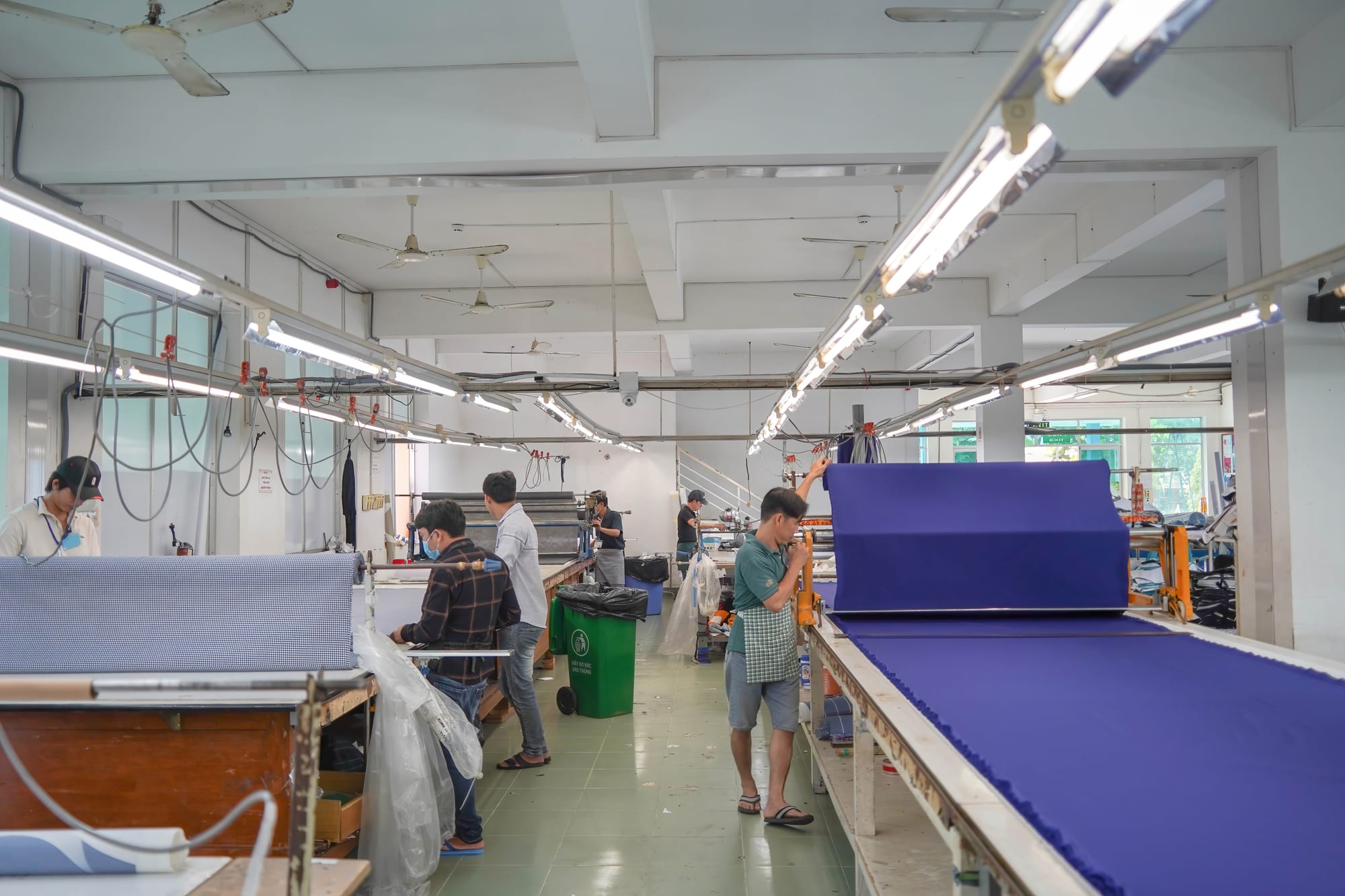
Fabrics that hold up combine durability with comfort, which usually means performance blends or heavier quality cotton rather than thin, basic tees. Look for materials that resist shrinking, fading, and pilling through repeated washing.
Performance blends with a bit of stretch and moisture-wicking properties suit active or customer-facing roles. Heavier cotton blends suit casual settings and grow more comfortable with wear.
The test is tough. If the fabric feels cheap in your hands, it will feel cheap to everyone wearing it.
What Decoration and Branding Details Matter Most?
Decoration details matter because the application method determines how your logo looks and how long it survives repeated washing. The right technique depends on the garment, the design, and the impression you want to make.
Embroidery delivers a premium, durable finish that holds up for years and reads as professional. It suits polos, jackets, and hats where a clean, raised logo signals quality.
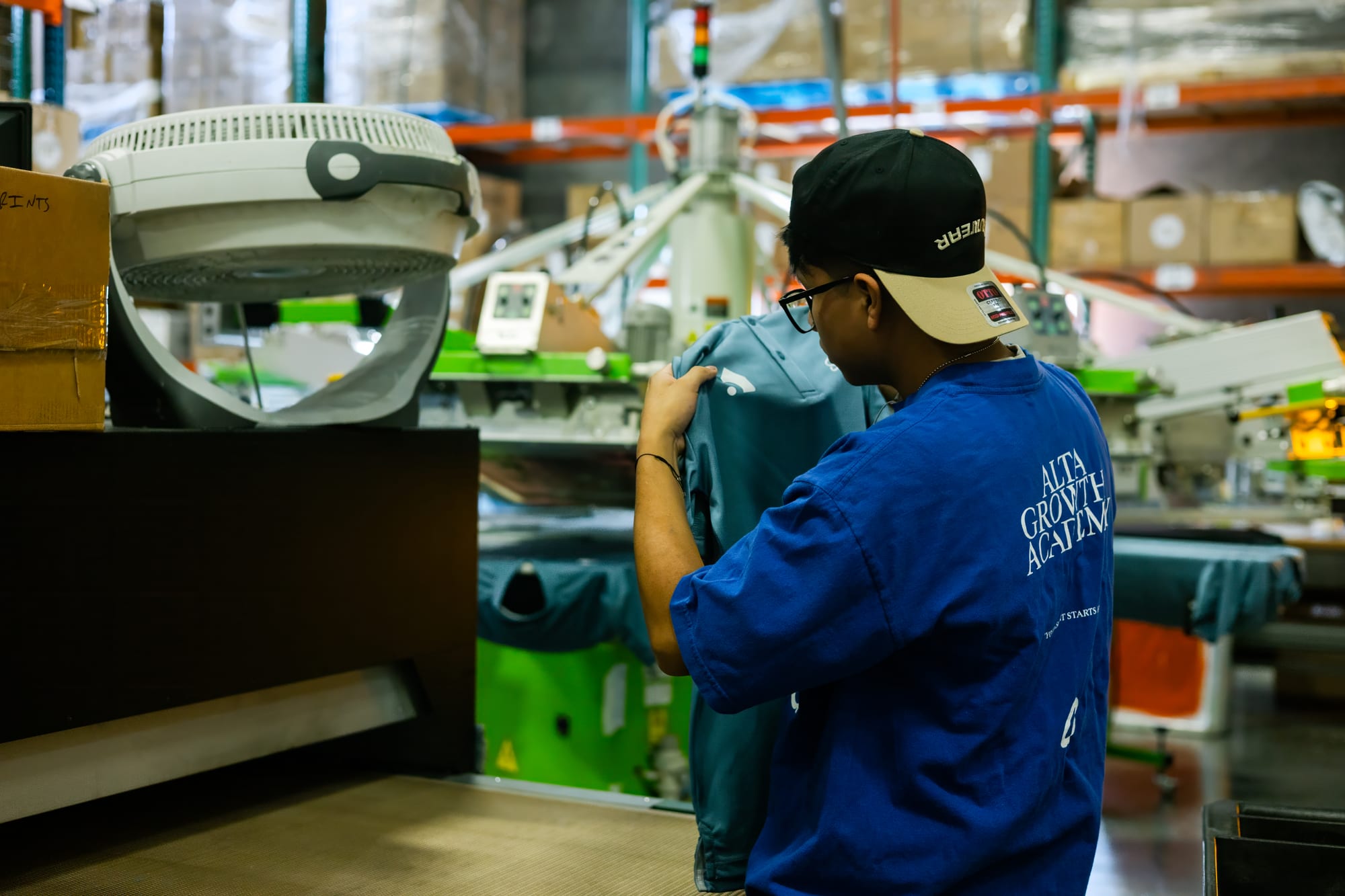
Screen printing works well for larger graphics and higher quantities, producing crisp, vibrant results at a reasonable cost per piece. For full-color or detailed designs across varied fabrics, DTF (Direct to Film) printing offers sharp detail and flexibility.
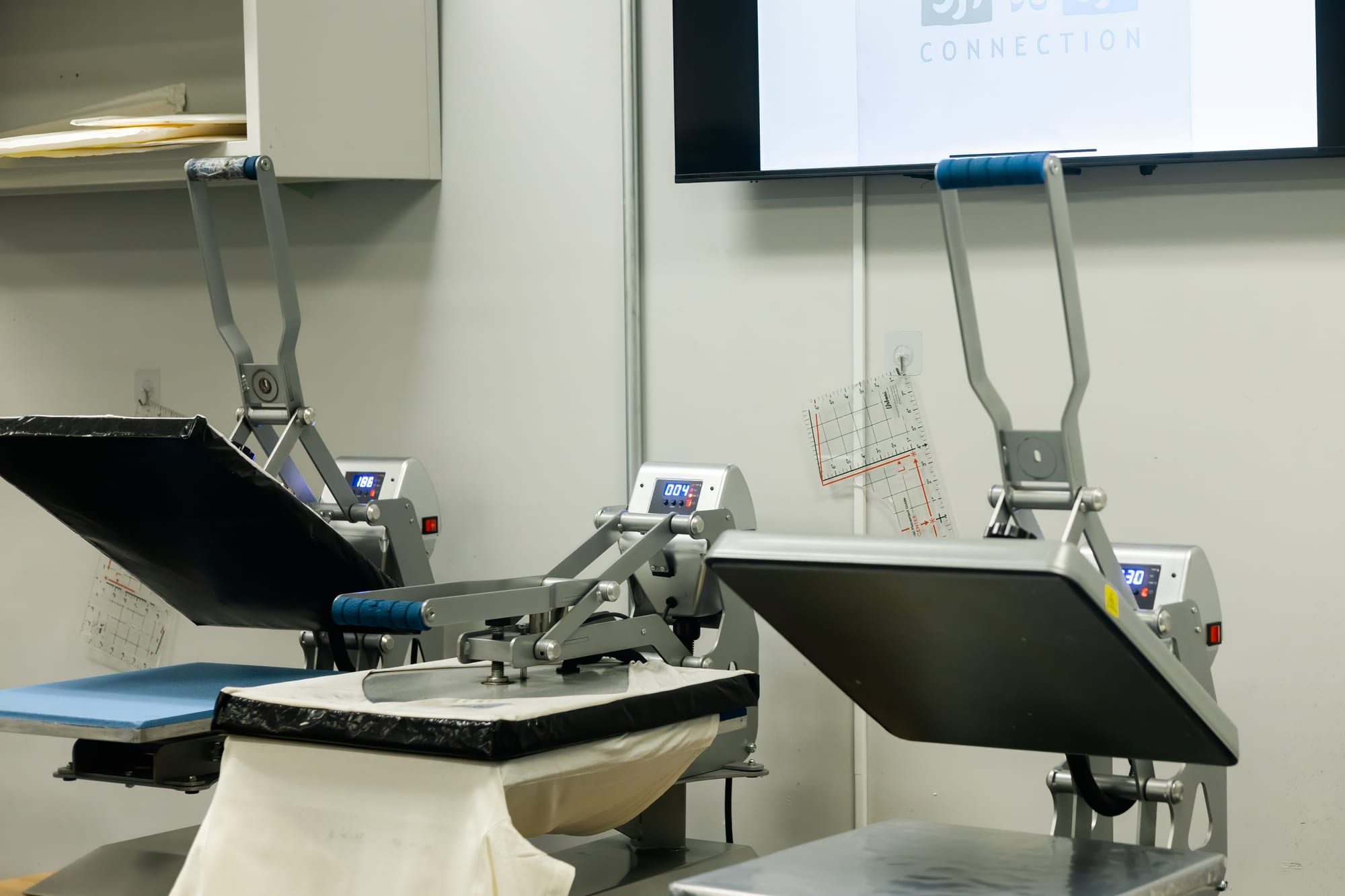
Truwear Services works across embroidery, screen printing, and DTF printing, which means the decoration method gets matched to the garment instead of forced onto it. Restraint matters too. A subtle chest or sleeve logo looks like a thoughtful detail, while an oversized graphic reads as a required uniform.
How Does Company Apparel Compare to Generic Promo Products?
Company apparel outperforms generic promotional products on lasting value because a quality garment gets worn repeatedly, while a cheap trinket gets discarded fast. The upfront cost is higher, but the long-term return is far greater.
A logo pen or stress ball rarely leaves a desk drawer and generates almost no visibility. A jacket someone wears weekly for two years generates hundreds of impressions and builds real affinity for your brand.
Cheap apparel falls into the same trap. A thin shirt with a heavy printed logo gets one wear, then disappears, wasting both the money and the goodwill you hoped to build.
One-off uniform orders create a different problem. When colors, fabric, or logo placement shift between batches, your unified look unravels, and newer hires end up looking out of place.
How Do You Choose Company Apparel Your Team Will Wear?
Choosing the apparel your team will wear comes down to evaluating a few practical factors before you order. Run through this checklist with any provider you consider.
- Fit range: Does the program offer multiple sizes and separate cuts so most people get a flattering fit?
- Fabric quality: Does the material feel substantial and resist shrinking, fading, and pilling?
- Decoration match: Is the method (embroidery, screen printing, or DTF) suited to the specific garment and design?
- Branding restraint: Is the logo sized and placed so the piece looks good in everyday settings?
- Reorder consistency: Will colors, placement, and fabric stay identical on future orders?
- Onboarding support: Can the provider build welcome bundles for new hires that stay consistent over time?
If a provider cannot speak clearly to each point, keep looking. A dependable partner welcomes these questions and answers them with specifics.
Common Questions Before You Order
How far in advance should we order company apparel?
Plan for six to eight weeks for most orders. That window allows time to gather sizing, approve decoration proofs, and complete quality checks. Larger or highly customized programs benefit from a ten to twelve-week lead time.
How do we keep apparel consistent as we hire?
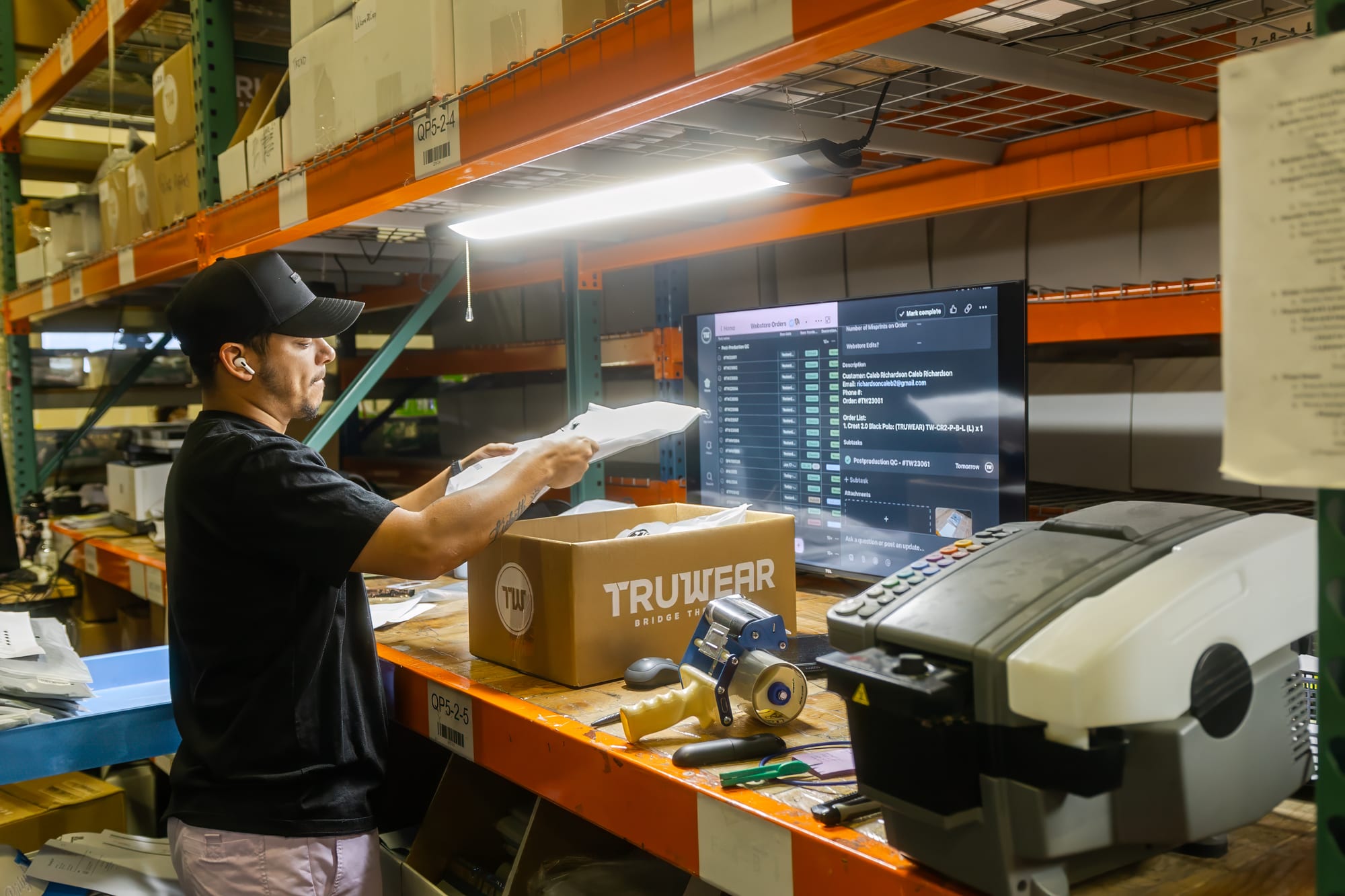
Work with a partner that archives your specifications, matches your colors, and keeps logo placement identical across orders. That continuity ensures a hire who joins next year looks like part of the same team as everyone else.
Can we mix garment types in one program?
Yes. A coordinated collection, such as polos for staff and jackets for leadership, works well when you hold the color palette and logo treatment consistent across pieces. This gives each group purpose-built apparel while maintaining one unified look.
The Bottom Line on Apparel That Belongs
Branded company apparel earns its value when your people actually want to wear it, and that outcome is something you can design for rather than hope for. Prioritize fit, choose fabric that feels good, keep the branding restrained, and protect consistency across every reorder. Get those elements right, and your team wears your brand with pride instead of obligation.
Truwear Services builds apparel programs around exactly that goal, combining embroidery, screen printing, DTF printing, uniform design, corporate bundles, and premium options into pieces people genuinely choose to wear.
Ready to create company apparel that feels like part of the team? Explore your options and start planning a program built to last.