Before You Place a Bulk Apparel Order, Know These Common Mistakes
Bulk apparel orders go wrong in predictable ways and most of them happen before anything gets embroidered. Here are the most common mistakes companies make when placing large custom orders and how to avoid them before they cost you time and money.
A bulk apparel order can either elevate your brand or quietly drain your budget, and the difference usually comes down to decisions made before anyone prints a single shirt. The most expensive mistakes happen early, long before the boxes arrive at your door.
Most buyers discover the problems too late. The sizes run small, the fabric feels thin, the logo color drifts, or the shipment lands two days after the event. By then, the money is spent, and the options are gone.
The encouraging news is that these missteps are predictable, which means they are also preventable. With a clear understanding of where orders typically go wrong, you can protect your investment and end up with apparel people are proud to wear.
This article walks through the most common bulk apparel mistakes, who they affect, and exactly how to avoid each one. You will also find a practical evaluation checklist to use with any provider before you commit.
What Goes Wrong With Most Bulk Apparel Orders?
Most bulk apparel orders fail on one of four fronts: sizing, fabric quality, decoration method, or timing. Each one is fixable in advance, yet each one routinely gets overlooked in the rush to place an order.
Sizing problems are the most common and the most costly. When a single cut is ordered for everyone, a meaningful share of the order goes unworn because it simply does not fit.
Fabric disappointment ranks a close second. A shirt that looks fine in a thumbnail image often feels thin or stiff in person, and people rarely reach for clothing that feels cheap.
The remaining issues usually trace back to communication. Unclear specifications, rushed proofs, and tight timelines create errors that no amount of goodwill can undo once production begins.
Who Is Affected When a Bulk Order Goes Wrong?
Anyone responsible for outfitting a group absorbs the fallout, including office managers, marketing leads, event coordinators, and small business owners. The person who placed the order is usually the one who has to explain why it missed the mark.
Employees feel it too. Ill-fitting or uncomfortable gear sends a quiet message that their comfort was an afterthought, which undermines the unity the apparel was meant to create.
Your brand carries the heaviest cost. Mismatched colors, faded logos, and inconsistent garments make an organization look careless to the very audience it hoped to impress.
What Mistakes Do Buyers Make Before They Even Order?
The biggest pre-order mistakes are skipping samples, guessing at sizes, and choosing a vendor on price alone. These three shortcuts cause more regret than anything that happens in production.
Why is skipping a sample so risky?
Skipping a sample is risky because a garment's true feel, weight, and fit cannot be judged from a screen. A sample lets you confirm the fabric and decoration quality before you commit to hundreds of pieces.
Request a physical sample of the exact garment and proof of your decorated design. Holding the real thing in your hands prevents the single most common form of buyer's remorse.
How should you handle sizing for a large group?
Handle sizing by requesting a sizing run before the bulk order, never by estimating. A set of sample sizes lets people try garments on, which dramatically reduces the number of pieces that end up unworn.
Offer a genuine size range and consider separate cuts for men and women. This small step signals that you considered the people wearing the apparel, not just the order total.
Which Production Choices Cause the Most Regret?
Garment selection and decoration method cause the most regret, because the wrong pairing shortens the life of both the shirt and the logo. The fabric and the application technique must work together, not against each other.
Thin, basic cotton tees feel inexpensive and tend to shrink, fade, and pill after a few washes. Performance blends and heavier quality cotton hold their shape and color far longer, which protects your investment over time.
The decoration method should match the garment and the design.
- Embroidery suits polos, jackets, and hats, delivering a durable, premium finish that reads as professional.
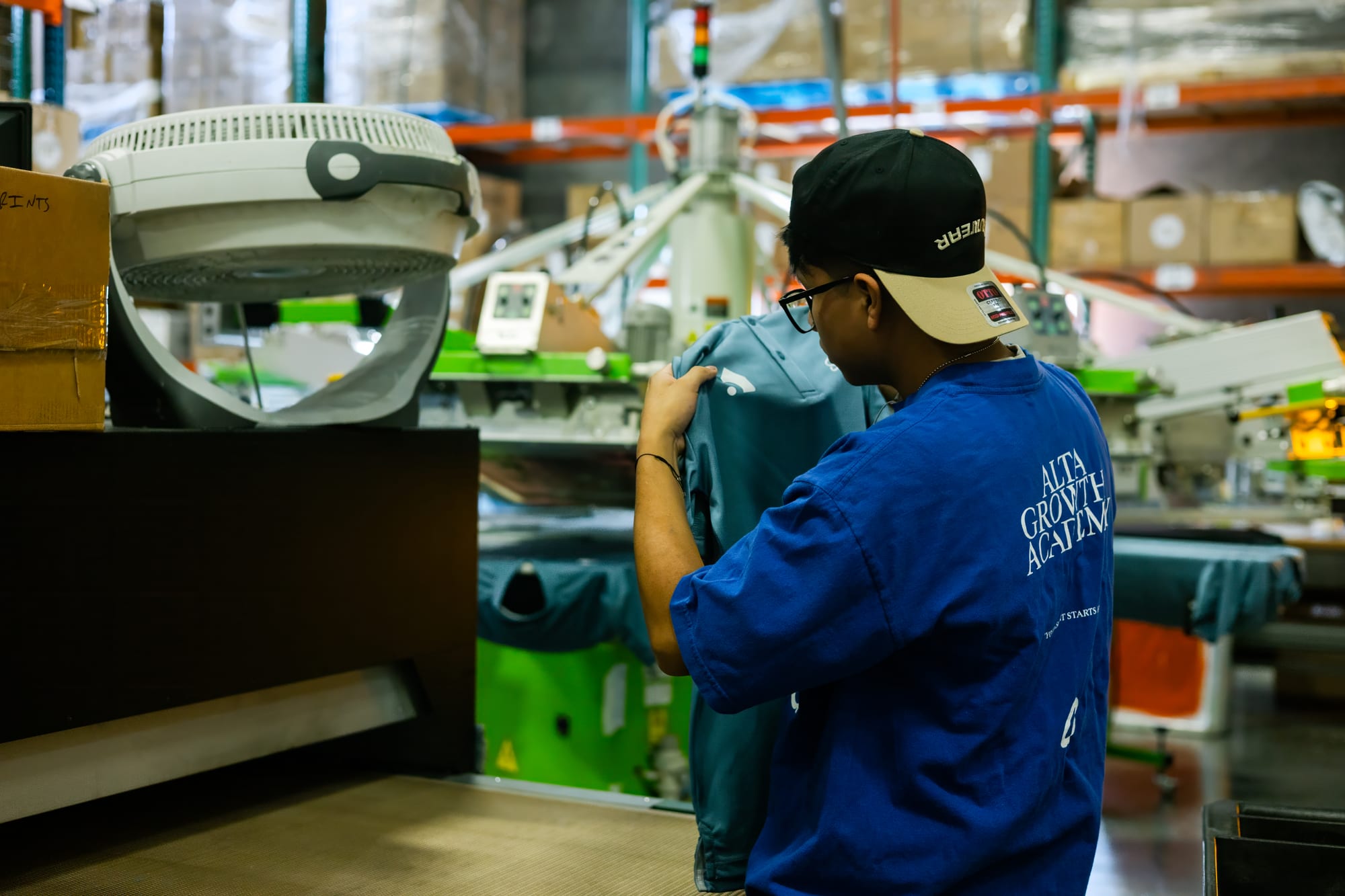
- Screen printing works well for larger graphics and higher quantities at a reasonable cost per piece.
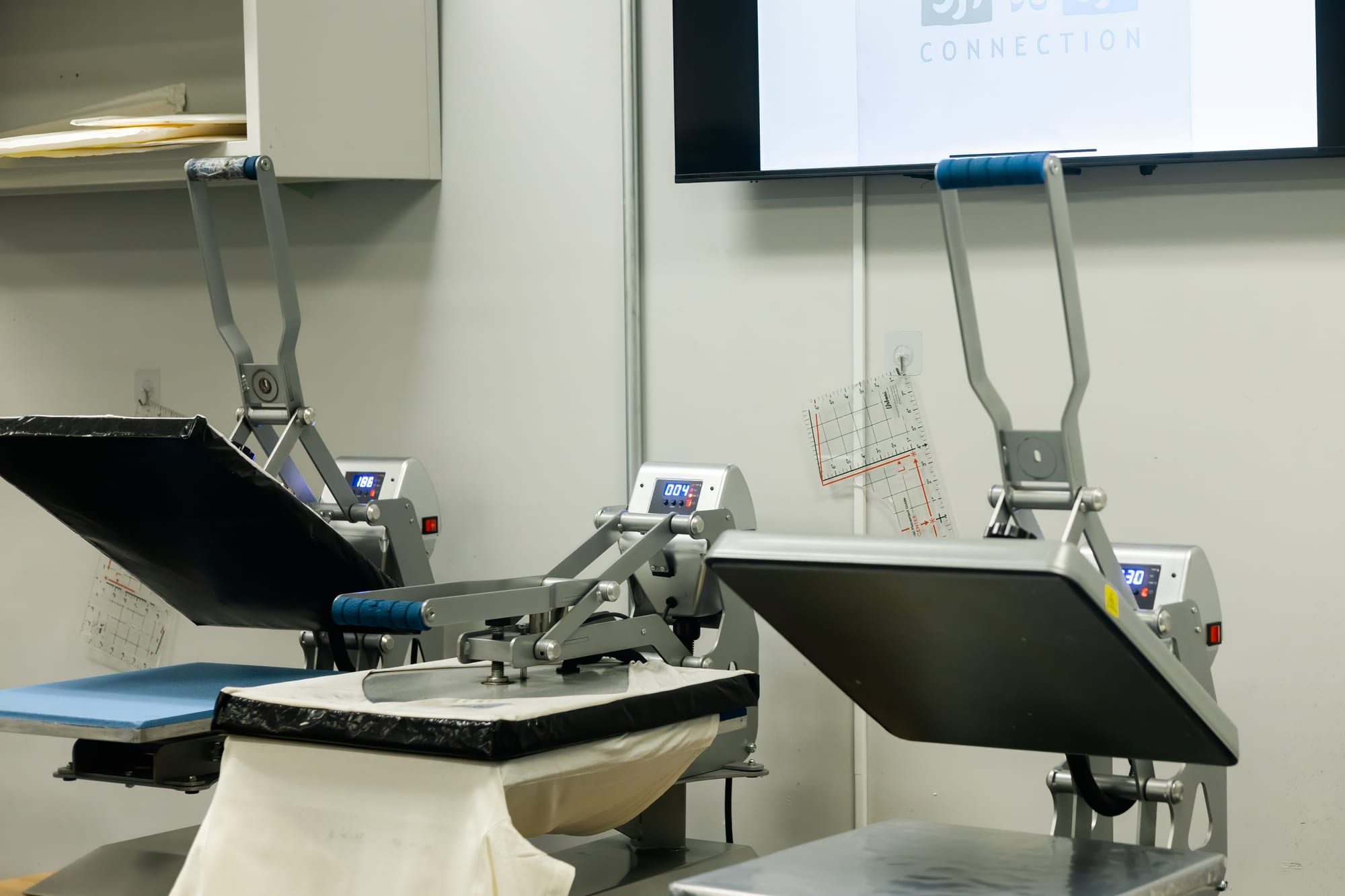
- DTF (Direct to Film) printing handles full-color or detailed designs across varied fabrics with sharp results.
Truwear Services works across embroidery, screen printing, and DTF printing, which means the method gets matched to the garment rather than forced onto it. That pairing is what keeps apparel looking sharp wash after wash.
How Do Budget and Timeline Mistakes Derail an Order?
Budget and timeline mistakes derail orders by forcing rushed decisions that compromise quality and consistency. Chasing the lowest unit price or starting too late almost always costs more in the end.
What does chasing the cheapest price actually cost?
Chasing the cheapest price usually costs you in reorders and unworn inventory. A thin shirt with a heavy printed logo gets one wear, then disappears, wasting both the money and the goodwill you hoped to build.
Think in terms of cost per wear rather than cost per unit. A garment worn weekly for two years delivers far more value than a cheap one that never leaves the drawer.
How far in advance should you place a bulk order?
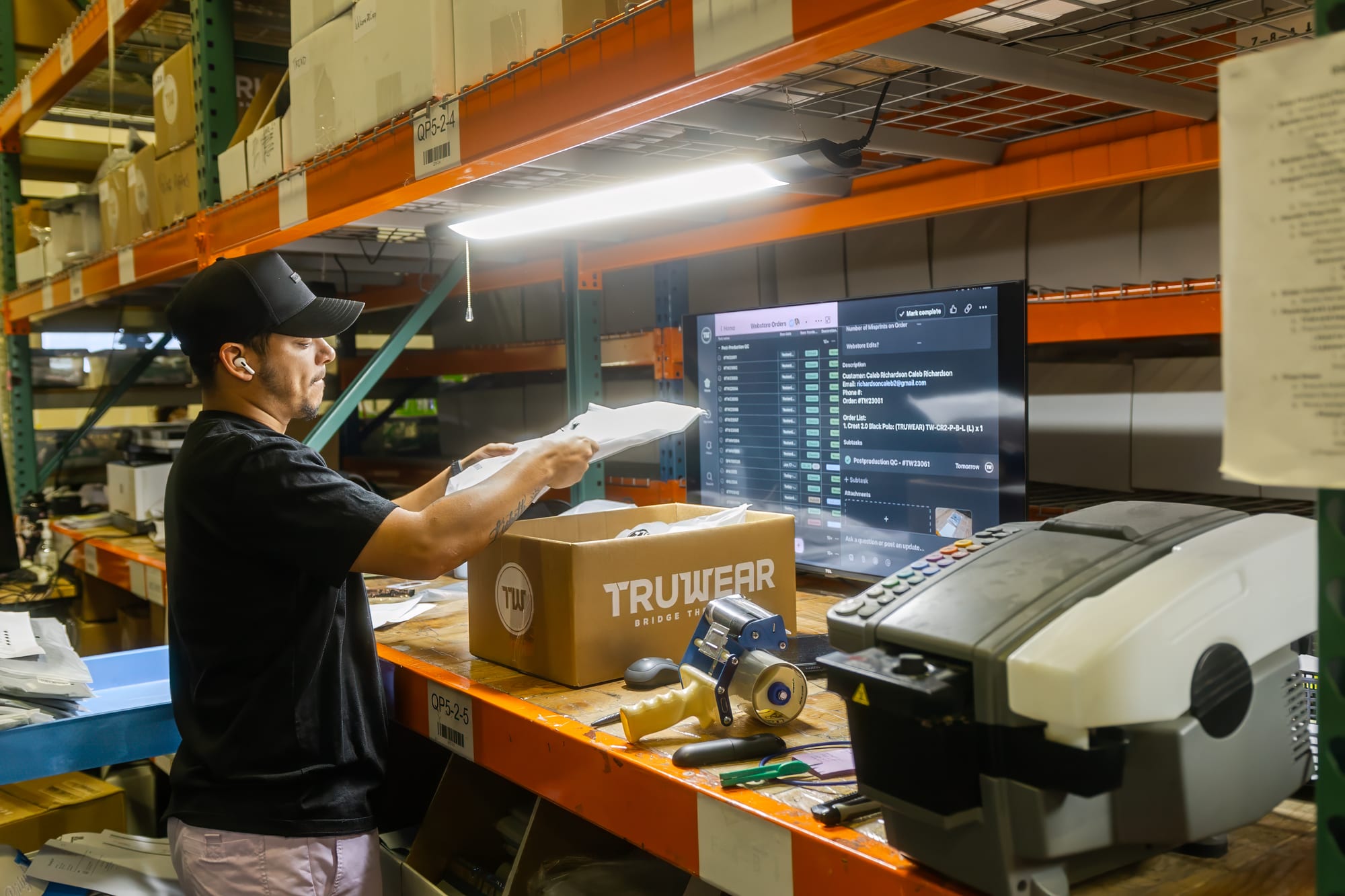
Place most bulk orders six to eight weeks before you need them. That window allows time to gather accurate sizing, approve proofs, and complete quality checks without cutting corners.
Larger or highly customized programs benefit from a ten to twelve week lead time. Building in that buffer protects you from the stress and surcharges that come with rush production.
Why Do Communication and Reorder Gaps Cause Problems?
Communication and reorder gaps cause problems because unwritten assumptions lead to mismatched results. The details you confirm in writing are the details that show up correctly in the box.
Spell out garment colors, Pantone logo colors, sizes, decoration placement, and deadlines before production starts. A clear, approved specification protects both you and your provider from costly misunderstandings.
Reorder planning is the gap most buyers ignore entirely. When colors, fabric, or logo placement shift between batches, your unified look unravels and newer team members end up looking out of place.
A dependable partner archives your specifications, matches your colors, and keeps placement identical across orders. That continuity ensures the hire who joins next year looks like part of the same team as everyone else.
How Do You Choose a Bulk Apparel Provider You Can Trust?
Choose a provider by testing how clearly they answer practical questions before you commit. The right partner welcomes scrutiny and responds with specifics rather than vague reassurances.
Run through this checklist with anyone you consider:
- Samples and proofs: Will they provide a physical garment sample and a decorated proof before production?
- Sizing support: Can they supply a sizing run and offer separate cuts for a flattering fit?
- Decoration match: Do they recommend embroidery, screen printing, or DTF based on the garment and design?
- Fabric quality: Can they explain how each material resists shrinking, fading, and pilling?
- Clear timelines: Do they give honest lead times and flag rush risks early?
- Reorder consistency: Will they archive your specs so future orders match the first?
If a provider hesitates on any of these points, treat that as a signal to keep looking. Clear answers reflect genuine experience, while vague ones often hide gaps.
Helpful Answers Before You Order
What is the most common bulk apparel mistake?
Guessing at sizes is the most common mistake. Without a sizing run, a portion of every order ends up unworn, which wastes both budget and the unity the apparel was meant to create. A quick sample round solves it.
Can I mix different garments in one bulk order?
Yes. A coordinated collection, such as polos for staff and jackets for leadership, works well as long as you hold the color palette and logo treatment consistent across pieces. This gives each group purpose-built apparel while keeping one unified look.
How do I keep colors consistent across reorders?
Lock in Pantone color references and confirm them in writing on your first order. A provider that archives those specifications can match them on every future run, preventing the gradual drift that breaks a cohesive brand look.
The Bottom Line on Avoiding Costly Errors
A successful bulk apparel order is built on decisions made before production begins, not on luck. Request samples, run real sizing, match your decoration method to the garment, build in enough lead time, and confirm every detail in writing. Get those fundamentals right, and you end up with apparel your people actually wear and your brand is proud to show.
Truwear Services helps organizations avoid these mistakes by combining embroidery, screen printing, DTF printing, uniform design, corporate bundles, and premium options with consistent, well-documented reorders.
Ready to place a bulk apparel order without the guesswork? Explore your options and start planning a program built to last.