Why Branded Company Apparel Is Becoming a Core Brand Asset in 2026
Unite your team with branded apparel in 2026. Boost confidence, showcase excellence, and turn outfits into powerful brand investments!
Have you ever walked into a room and immediately felt a sense of unified purpose, simply by observing how a group presents itself? There is a profound power in visual identity. It communicates standards, belonging, and a shared mission before a single word is spoken.
In the business landscape of 2026, the definition of corporate branding is expanding. It is no longer just about a logo on a website or a catchy tagline. The focus has shifted to the people who carry the message. Branded company apparel is rapidly evolving from optional "swag" into a core brand asset, a vital tool for organizations that value representation, dignity, and professional excellence.
For communities that deeply understand the concept of stewardship and ambassadorship, this shift makes perfect sense. Just as one might dress with care to represent their values or their faith, employees dressed in high-quality branded apparel become living extensions of the company’s integrity.
How Does Professional Attire Influence Organizational Culture?
When we discuss culture, we often talk about abstract feelings. However, culture is also physical. It is what we see and touch. Clothing has always been a marker of identity. In many tight-knit communities, attire signals a readiness to serve and a commitment to a higher standard.
In a corporate setting, providing premium branded company apparel does two significant things:
- It fosters internal unity: When every team member, from operations to executive leadership, wears high-quality apparel, it dissolves barriers. It creates a visual "Zion" of sorts within the office—a place where everyone is unified in their purpose.
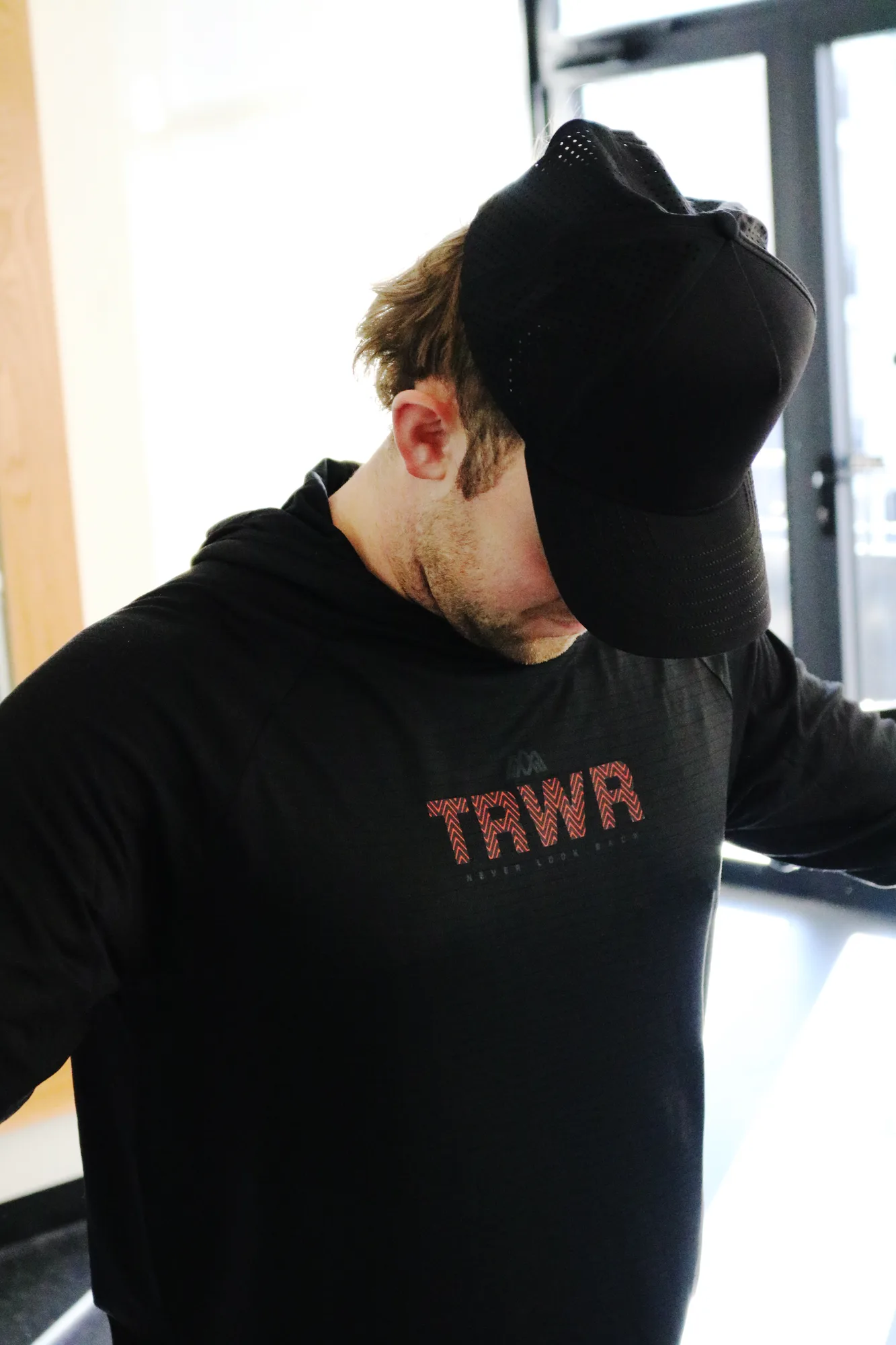
- It elevates individual confidence: Cheap, ill-fitting t-shirts often end up in the donation bin. Conversely, a tailored performance dress shirt or a premium jacket makes an employee feel valued. When people feel dignified, they perform with greater confidence and care.
Is Branded Apparel a Marketing Expense or an Investment?
For years, businesses categorized uniforms and branded gear as a sunk cost—a necessary expense to identify staff. In 2026, savvy leaders view it differently. They see it as an investment in trust.
Consider the concept of the "missionary" approach to business. When a representative looks polished, modest, and professional, they instantly garner more respect. They signal to the client that the company takes details seriously. If a company cuts corners on the clothes their employees wear, a client might wonder where else they are cutting corners.
By partnering with providers like Truwear Services, organizations ensure that this investment yields returns in the form of brand authority. High-quality apparel acts as a silent testimonial to your company's commitment to excellence.
What Defines "Quality" in Modern Corporate Apparel?
We have moved past the era of stiff, uncomfortable cotton blends that require endless ironing. The modern professional demands functionality alongside sophistication. This is particularly relevant for those who lead active lives—balancing work, family, and community service.
The new standard for core brand assets includes:
- Performance Fabrics: Materials that breathe, stretch, and resist wrinkles.
- Modest and Professional Cuts: Designs that provide appropriate coverage while maintaining a modern silhouette.
- Subtle Branding: Moving away from massive billboards across the chest to elegant, understated logo placement that whispers quality rather than shouting it.
FAQ: Common Questions About Implementing Branded Apparel Programs
Does branded apparel really improve employee retention?
Yes, it can significantly impact retention when done correctly. While a shirt alone won't fix a toxic culture, high-quality gear serves as a daily reminder that the company invests in its people. It eliminates the financial burden of purchasing a work wardrobe and creates a sense of belonging. Employees who feel they are part of a unified, professional "family" are less likely to leave.
How do we ensure our apparel aligns with diverse employee needs?
Inclusivity in sizing and modesty is crucial. A core brand asset must be accessible to everyone. The best strategy is to select vendors who offer a wide range of cuts (including men's and women's specific tailoring) and sizes, ensuring that every member of your team feels comfortable and respected in their uniform.
Why Consistency Matters in Brand Representation
In any community built on shared values, consistency is key to trust. You wouldn't trust a message that changes every day, and you shouldn't trust a brand image that fluctuates wildly.
As we look toward 2026, branded company apparel ensures that your brand's visual narrative remains consistent, whether your team is at a trade show in Salt Lake City, a client meeting in New York, or providing service in a local neighborhood. It ensures that the first impression—and the lasting memory—is one of competence and reliability.
The transition of branded apparel from a promotional afterthought to a core business asset reflects a broader shift toward authenticity and quality in the workplace. It is about more than fabric; it is about feelings. It is about the feeling of pride an employee has when they button a shirt that fits perfectly. It is about the feeling of trust a customer develops when they see a team that looks unified and professional.
If you are ready to elevate your team's appearance to match the high standards of your organization, it is time to rethink your apparel strategy. Treat your clothing not as a cost, but as a testament to your values.
Ready to transform your workforce into true brand ambassadors? Explore how premium custom apparel can unify your team today.