What Should Companies Ask Before Choosing a Branded Apparel Manufacturer?
Not all branded apparel manufacturers offer the same quality, timelines, or sourcing transparency. Here are the questions companies should ask before committing to a vendor.
Choosing the right branded apparel manufacturer is one of the most consequential decisions you will make when representing your company in front of clients, prospects and your own team. The partner you select shapes how your brand looks, how long your garments last and how smoothly your orders arrive when timelines matter most.
Too many companies choose based on the lowest quote and regret it within a season. Faded logos, inconsistent sizing and missed deadlines cost far more than the few dollars saved per unit.
The right questions surface the difference between a vendor who prints shirts and a partner who protects your brand. Ask about quality standards, customization range, production timelines, order minimums and communication before you sign anything.
This guide walks through the exact questions to ask, what strong answers sound like and the warning signs that should end a conversation early. Get these right and your apparel becomes an asset that reinforces your professionalism at every touchpoint.
What Questions Should You Ask a Branded Apparel Manufacturer First?
The first questions to ask a branded apparel manufacturer should uncover their quality standards, production capacity and track record with businesses like yours. Start by asking what fabrics they work with, how they handle decoration and how long they have served clients in your industry.
These opening questions reveal whether you are dealing with a specialist or a reseller. A specialist speaks fluently about fabric weight, thread counts and decoration methods. A reseller deflects to vague reassurances.
How Do You Verify Their Experience?
Verify experience by asking for examples of past work and references from clients with similar order sizes. A credible manufacturer shares samples freely and connects you with businesses who can speak to their reliability.
Request a physical sample before committing. Photos flatter, but a garment in hand tells you the truth about fabric quality, stitch density and how the logo actually sits on the material.
What Should Strong Answers Sound Like?
Strong answers are specific, confident and grounded in detail. When you ask about durability, you want to hear about fabric composition, wash testing and decoration longevity, not just "our quality is great."
Vague responses signal a gap between promise and delivery. A partner who knows their craft welcomes hard questions and answers them without hesitation.
What Quality Indicators Separate a Good Manufacturer from a Great One?
The quality indicators that separate a great manufacturer are fabric consistency, decoration durability and precision across every unit in an order. A great partner delivers the two hundredth shirt identical to the first, with the same color, fit and logo placement.
Consistency is the hardest thing to fake and the easiest to spot. When garments vary in shade or sizing across a single production run, the manufacturer lacks proper quality control.
How Do You Judge Fabric Quality?
Judge fabric quality by weight, hand feel and performance features suited to how the apparel will be worn. Performance polyester blends resist wrinkles and wick moisture, while premium cotton offers a softer, more traditional feel.
Ask how the fabric holds up after repeated washing. Quality garments retain their shape, color and structure long after cheaper alternatives fade and pill.
How Do You Evaluate Decoration Methods?
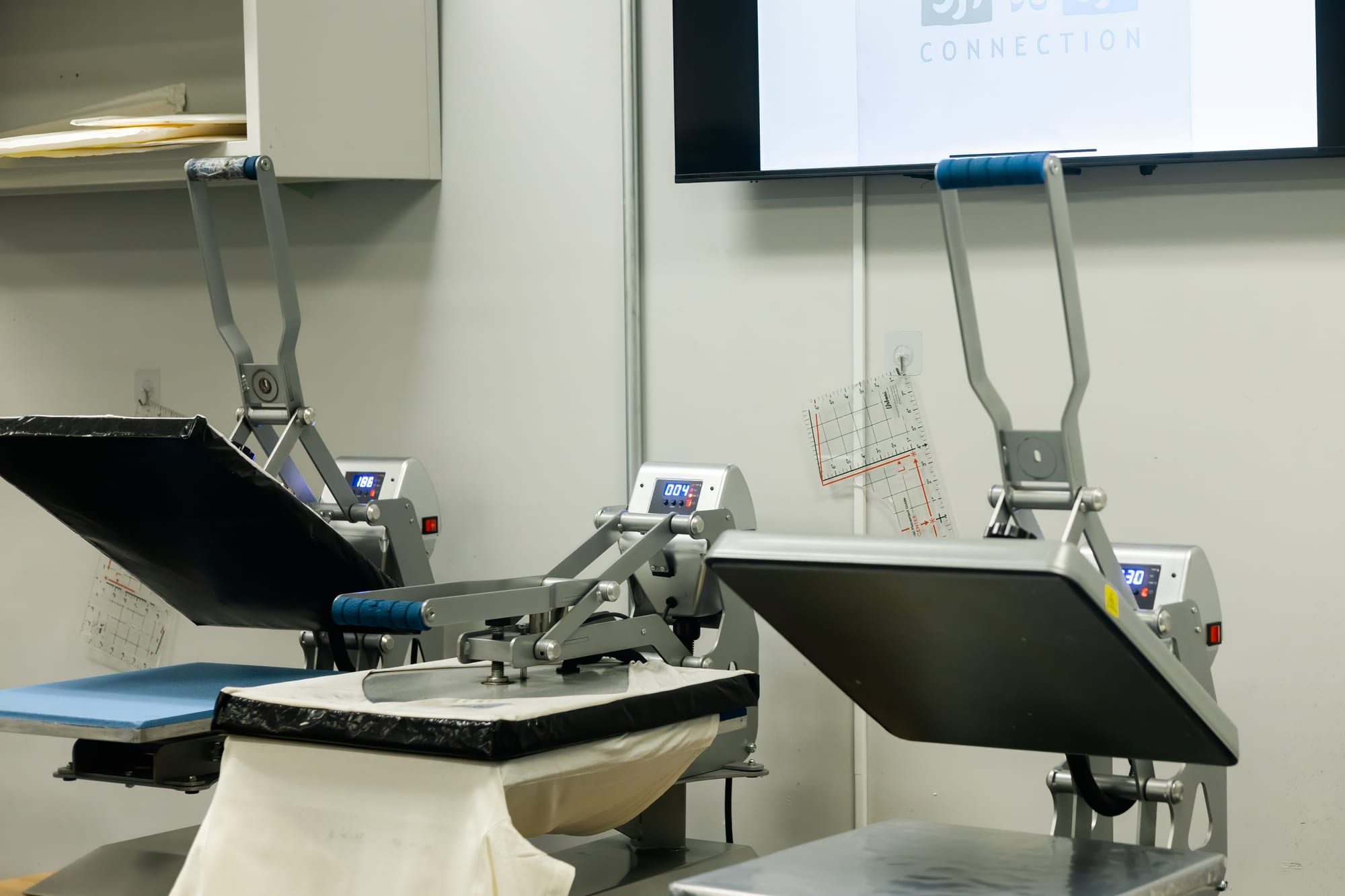
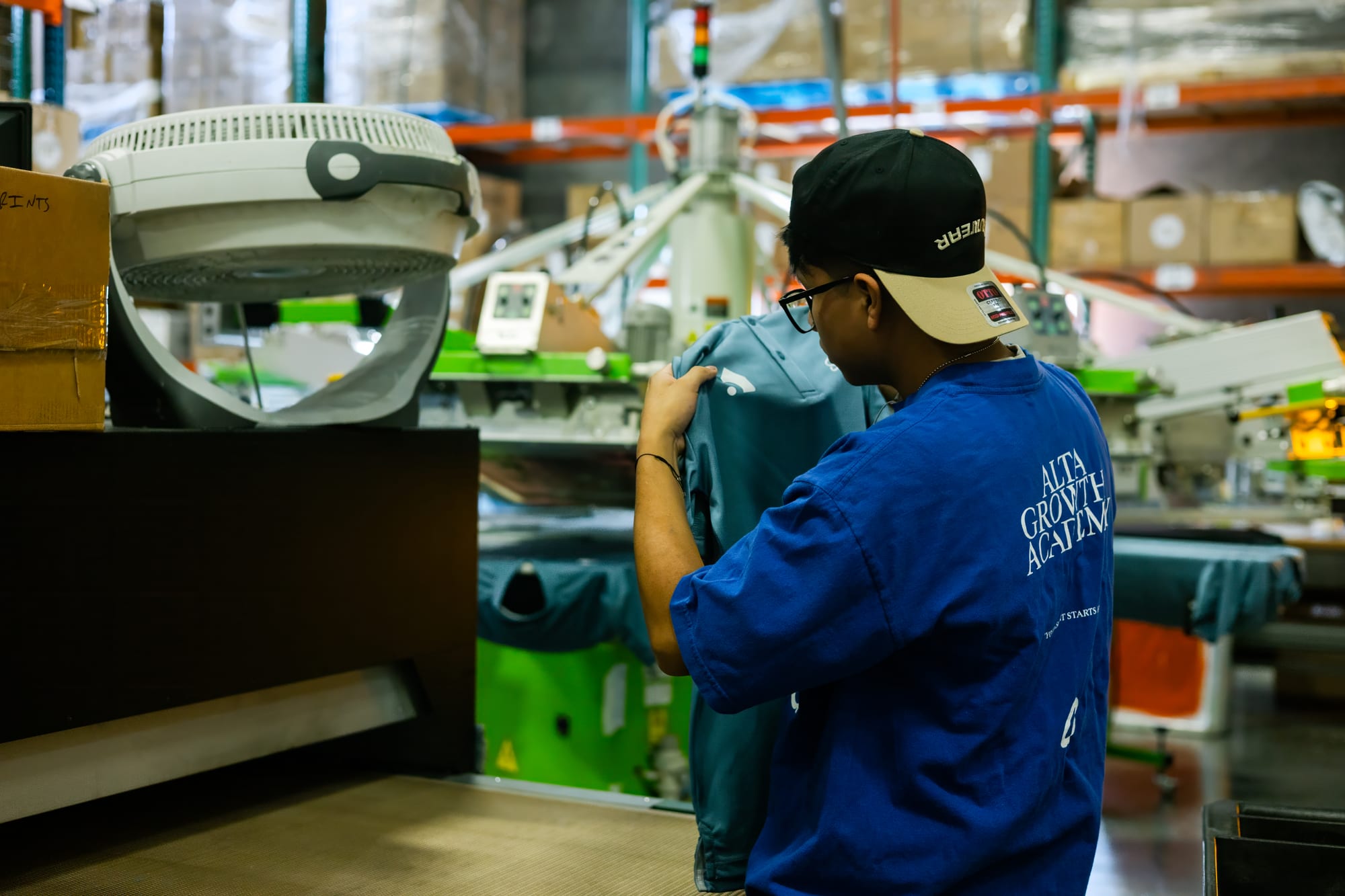
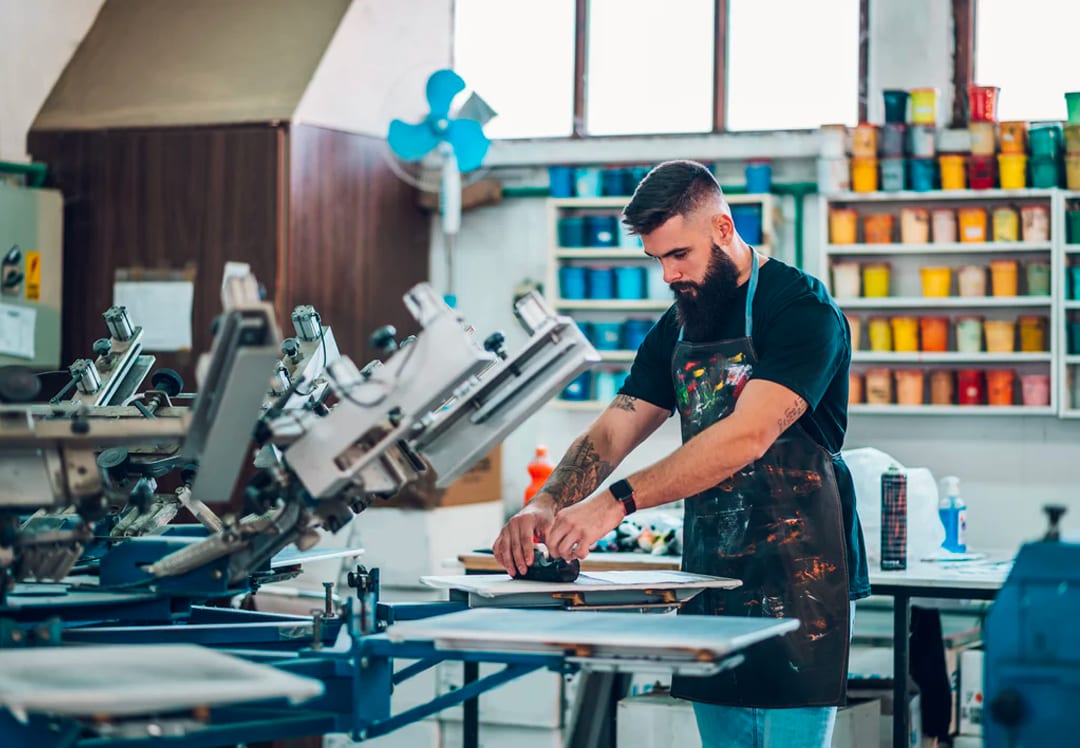
Evaluate decoration by matching the method to the garment and the impression you want. Embroidery delivers a refined, durable finish on collared shirts and outerwear, while screen printing suits high-volume tees and casual pieces.
Ask to see both applied to a sample. The difference between crisp, precise decoration and blurred, off-center work becomes obvious the moment you hold it.
How Important Are Customization Capabilities When Choosing a Branded Apparel Manufacturer?
Customization capabilities are essential when choosing a branded apparel manufacturer because your brand rarely fits a one-size template. A capable partner offers a broad garment range, multiple decoration techniques and precise color matching to your brand standards.
Limited customization forces compromise. If a manufacturer only offers a handful of styles or cannot match your exact brand colors, your apparel ends up looking generic rather than distinctly yours.
What Customization Options Should You Expect?
Expect a full spectrum of garments, decoration methods and finishing details from a serious partner. That includes polos, quarter-zips, outerwear, headwear and accessories, plus embroidery, screen printing and heat transfer.
Ask about color matching to specific brand values. A manufacturer who can reproduce your exact palette across every piece protects the visual consistency that makes a brand recognizable.
Can They Scale Your Design Across Product Types?
A strong manufacturer applies your branding consistently across every product type, from a lightweight summer polo to a structured winter jacket. This matters when your team needs cohesive looks for different roles and seasons.
Truwear Services builds apparel programs designed to hold this consistency as companies grow, matching logo treatment and color across garments so a brand stays unified at every level. You can explore their custom apparel solutions to see how a coordinated program comes together.
What Should You Know About Production Timelines and Order Minimums?
Production timelines for quality custom apparel typically run eight to twelve weeks from design approval to delivery, and rush production carries premium fees. Understanding this window early prevents the last-minute scramble that leads to compromised quality.
Order minimums vary widely between manufacturers. Some require large volumes, while others accommodate smaller runs, which matters for growing companies that order in stages.
How Do You Plan Around Lead Times?
Plan around lead times by placing orders well ahead of hiring waves, events and seasonal needs. Confirm the full timeline in writing, including design, sampling, production and shipping stages.
Build in buffer for sample review. Approving a physical proof before the full run catches errors while they are still cheap to fix.
What Minimum Order Quantities Should You Expect?
Expect minimum order quantities that reflect the manufacturer's production model and your garment choice. Complex decoration or specialty fabrics often carry higher minimums than standard pieces.
Ask how reorders work. A partner who stores your design files and maintains consistent inventory makes it easy to add pieces as your team expands without color variation between runs.
What Communication Standards Should You Expect From a Manufacturer?
The communication standards you should expect are responsiveness, transparency and a single point of accountability throughout your order. A reliable manufacturer answers questions promptly, provides clear updates and flags problems before they become emergencies.
Poor communication predicts poor delivery. If a vendor takes days to respond during the sales process, expect longer silences once your money is committed.
How Do You Test Communication Early?
Test communication early by paying attention to their responsiveness during your first few exchanges. Note how quickly they reply, how thoroughly they answer and whether they ask smart questions about your needs.
A partner invested in your outcome asks about your timeline, your team and your brand standards. A transactional vendor simply asks for your logo and your payment.
What Are the Biggest Red Flags to Watch For?
The biggest red flags are unusually low pricing, vague answers about quality and reluctance to provide samples or references. Each signals a gap between what a manufacturer promises and what they actually deliver.
Pricing that seems too good to be true usually is. Rock-bottom quotes often hide thin fabrics, low-grade decoration and hidden fees that surface after you commit.
Which Warning Signs End a Conversation?
Warning signs that should end a conversation include refusal to share samples, no verifiable references and evasiveness about production timelines. These behaviors reveal a lack of confidence in their own work.
Watch for pressure tactics too. A partner who rushes you past due diligence is protecting their interests, not yours.
How Should You Decide on the Right Branded Apparel Manufacturer?
Deciding on the right partner comes down to matching their quality, capabilities and communication to your brand standards and business goals. Use the criteria below to pressure-test any manufacturer before you commit.
- Request physical samples and evaluate fabric, decoration and fit before authorizing any full production run.
- Confirm production timelines and order minimums in writing so you can plan around hiring, events and seasonal needs.
- Verify their experience with references from businesses of a similar size and industry to yours.
- Test their responsiveness during the sales process as a preview of how they will communicate after payment.
- Compare customization range to make sure they can match your exact brand colors and scale designs across garment types.
- Treat unusually low pricing and reluctance to share samples as reasons to walk away.
If a manufacturer clears every one of these, you are working with a partner rather than a vendor.
Helpful Answers Before You Decide
How long does a custom apparel order take?
Most quality custom orders take eight to twelve weeks from design approval to delivery. Rush production is often possible but carries premium fees, so plan ahead of hiring waves and events.
Should I choose embroidery or screen printing?
Choose embroidery for collared shirts, outerwear and premium pieces because it lasts longer and looks more refined. Screen printing works better for high-volume tees and casual items where cost matters more.
What is a reasonable minimum order?
Reasonable minimums vary by manufacturer and garment type. Growing companies should ask about smaller runs and reorder options so they can add pieces as the team expands without color variation.
How do I know the quality before I order?
Request a physical sample with your logo applied before committing. A garment in hand reveals fabric quality, stitch density and decoration precision that photos cannot show.
What if my team size changes after I order?
Ask how the manufacturer handles reorders and stores your design files. A partner who maintains consistent inventory lets you add pieces later without noticeable variation between production runs.
Final Thoughts on Choosing the Right Partner
Choosing a branded apparel manufacturer deserves the same diligence you apply to any decision that carries your brand into the market. The right questions about quality, customization, timelines, minimums and communication separate a partner who elevates your image from a vendor who erodes it.
The takeaway is straightforward. Ask for samples, verify experience, confirm timelines in writing and treat vague answers or bargain pricing as reasons to keep looking.
If you are evaluating partners for your next order, Truwear Services brings the quality standards, customization range and reliable communication that growing companies need to look unified and professional. Reach out to start the conversation before your next production deadline arrives.